If your Westwood home feels bigger than you need, you are not alone. Many long-time owners reach a point where the space, upkeep, and carrying costs no longer match how they want to live. The good news is that downsizing can be both a lifestyle upgrade and a financial opportunity when you plan it carefully. Here is how to think through the move, prepare your home, and put yourself in the best position to maximize your sale. Let’s dive in.
Why downsizing makes sense in Westwood
Westwood is the kind of town where many homeowners have built real equity over time. According to Census Reporter’s Westwood profile, the borough has 11,283 residents, a median household income of $165,781, and a median owner-occupied home value of $606,400. For many sellers, that means downsizing is not just about less space. It is also about freeing up equity for the next chapter.
Westwood also has an older housing stock, which matters when it is time to sell. The borough’s master plan says more than a third of homes were built before 1939, more than half before 1960, and more than two-thirds are at least 50 years old. Since single-family detached homes make up 55.7% of the housing stock, many downsizing sellers are coming from larger, older homes that benefit from thoughtful preparation before hitting the market.
What the Westwood market means for sellers
Recent market data points to an active market, but it also shows why pricing and presentation matter. Redfin’s Westwood housing market report reported a median sale price of $751,500 in March 2026, 65 days on market, and a 111.2% sale-to-list ratio. At the same time, the report included only four homes sold, which is a reminder that small-sample monthly stats can shift quickly.
Other snapshots tell a slightly different story. Realtor.com’s Westwood market page reported eight homes for sale, a median list price of $682,500, and a typical listing time of 21 days. The takeaway is simple: broad headlines are useful, but your pricing strategy should come from recent comparable sales and the condition of your specific home.
In a market like this, a well-prepared home can stand out. Buyers may compete strongly for homes that feel clean, cared for, and well-positioned. A home with unclear condition issues or overly ambitious pricing can lose momentum fast.
Start with the downsizing math
Before you make repairs or schedule photos, take a clear look at the numbers. Downsizing works best when you compare your current carrying costs with the likely costs of your next home, including taxes, maintenance, insurance, and any association fees if you move to a condo or townhome.
Westwood’s 2025 property tax rate was $2.162 per $100 assessed valuation. For many homeowners, that alone can make downsizing worth exploring. If your goal is lower monthly overhead and less maintenance, it helps to define that target early so you can evaluate replacement homes realistically.
Tax relief may also be part of the equation. New Jersey’s Senior Freeze eligibility page outlines income, ownership, occupancy, and age or disability requirements, and the state also offers programs such as Stay NJ and ANCHOR through the PAS-1 application process. If you may qualify, those benefits should be part of your planning, not an afterthought.
Fix what buyers worry about
If you want to get the most for your Westwood home, focus first on the issues buyers notice and question. In an older housing market, that usually means deferred maintenance and visible risk items before cosmetic upgrades. Buyers can accept a home that is not brand new. They are much less comfortable with uncertainty.
Use this order of operations:
- Roof concerns
- Old or leaking windows
- HVAC problems
- Plumbing issues
- Electrical concerns
- Drainage or moisture problems
- Safety-related repairs
Once the major items are addressed, move to the easier wins that improve first impressions. Based on Westwood’s older housing mix and Realtor.com’s seller guidance for the local market, minor updates often make more sense than a major renovation.
Cosmetic updates that can pay off
You do not need to fully remodel your home to earn a strong result. In many cases, the best return comes from simple improvements that make the home feel fresh, bright, and easy to imagine living in.
Prioritize updates like:
- Fresh neutral paint
- Updated light fixtures
- New cabinet or door hardware
- Landscaping and yard cleanup
- Decluttering and depersonalizing
- Deep cleaning
- Touch-ups at the entry and living spaces
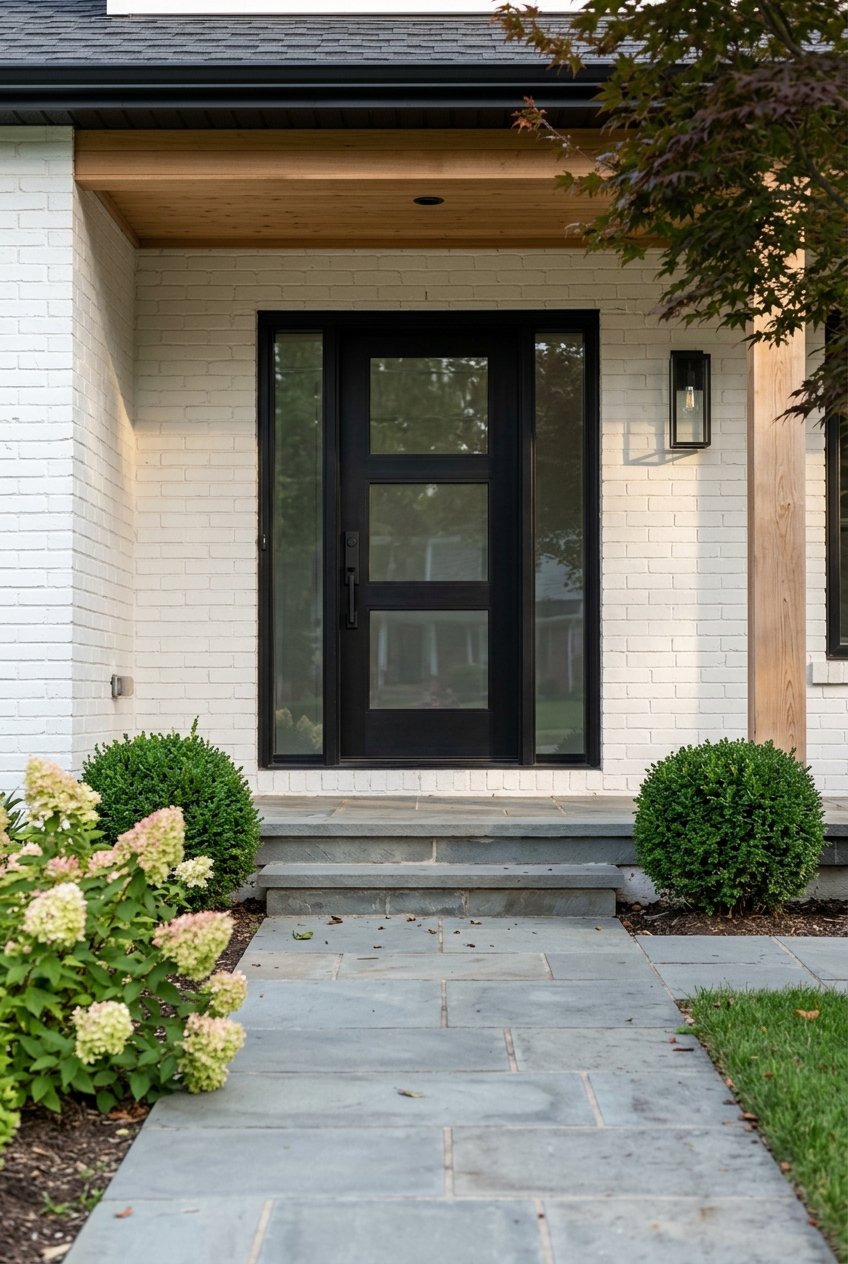
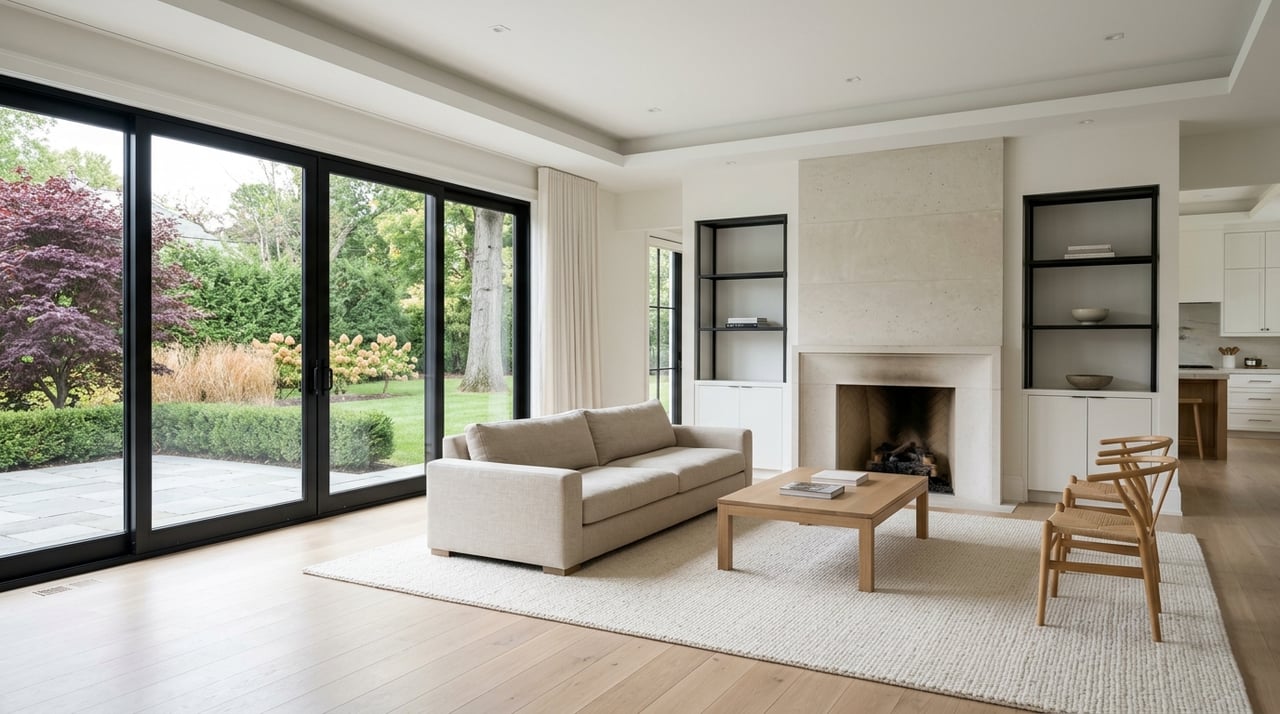
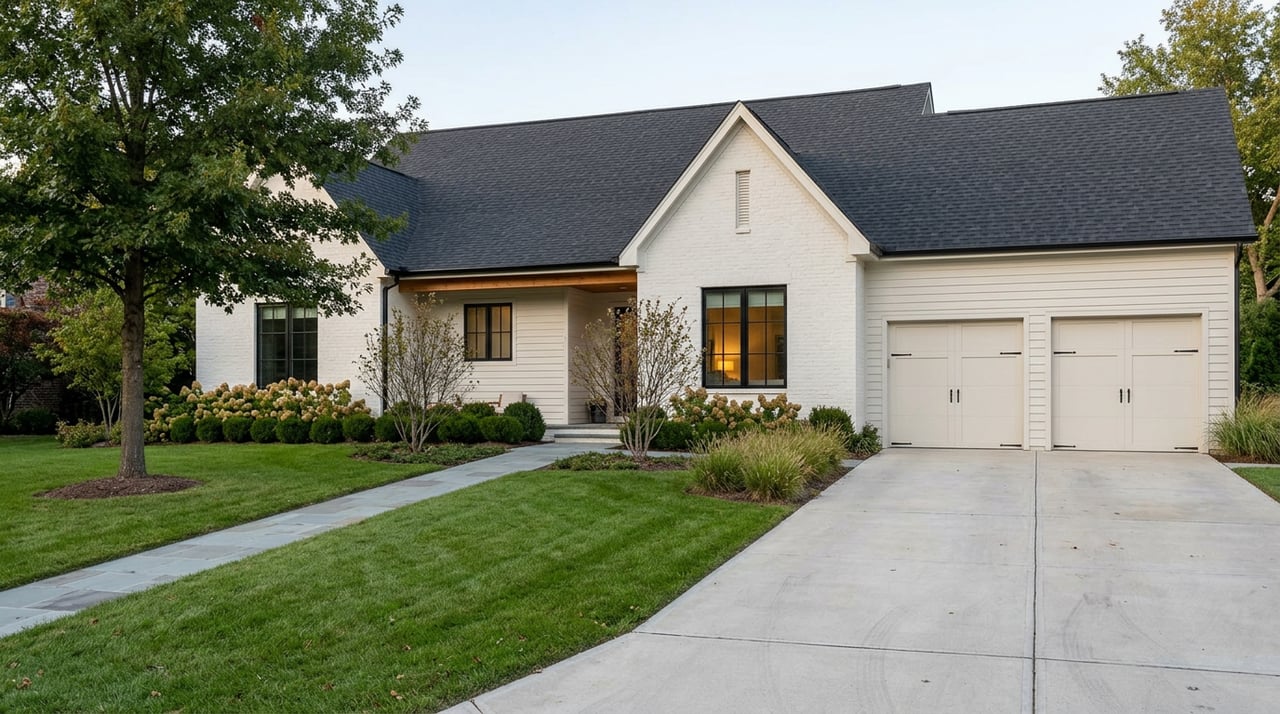
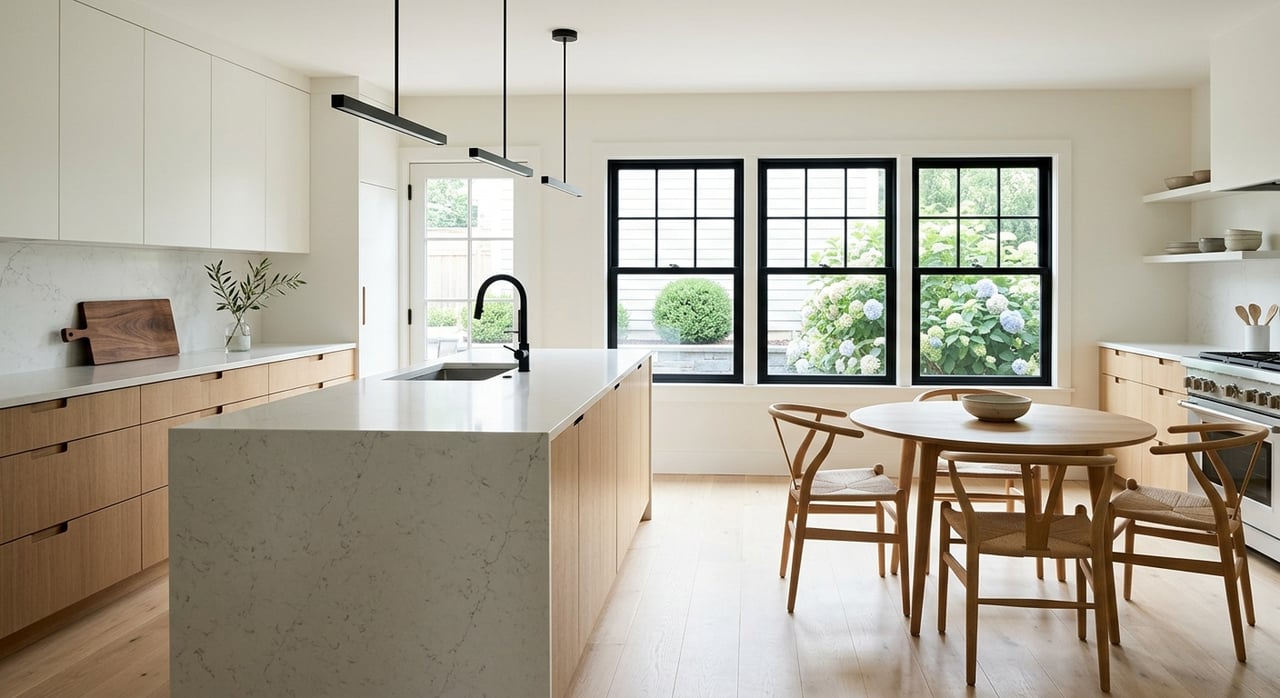
The most important rooms tend to be the kitchen, primary bath, living room, and entry. Curb appeal also matters because it shapes buyer expectations before they walk through the front door. A polished presentation helps buyers focus on the home’s strengths instead of its age.
Consider a pre-list inspection
In Westwood, where much of the housing stock is decades old, a pre-list inspection or repair walk-through can be a smart move. It gives you a clearer picture of what might come up once a buyer does their own inspection. That can help you decide what to fix now, what to disclose clearly, and how to price the home with fewer surprises.
This step can also reduce stress during negotiations. When you know your home’s likely sticking points ahead of time, you can plan repairs, gather estimates, or adjust your listing strategy before the market weighs in. That kind of preparation often leads to smoother deals.
Plan your timing carefully
One of the biggest downsizing concerns is timing. You may want the proceeds from your current home to help fund the next purchase, but you also do not want to feel rushed to move. In an active but variable market, timing deserves as much attention as price.
A few questions can help guide your plan:
- Do you want to sell first and then buy?
- Do you want to identify your next home before listing?
- Would temporary housing make the transition easier?
- How much flexibility do you need around your move date?
Because Westwood is a smaller borough, market pace can vary from one month to the next. That is why a local, property-specific strategy matters. A clear plan for list timing, showing schedule, offer review, and move logistics can reduce pressure and help you make stronger decisions.
If you want to stay local
Many downsizers want less maintenance, not a whole new life. That is part of what makes Westwood appealing. The borough describes itself as having a thriving downtown business district and a location on NJ Transit’s Pascack Valley Line, with commuter parking and bike access at Westwood Station. For homeowners who want to stay connected to familiar routines, local shops, and regional access, that can be a real advantage.
At the same time, Westwood’s housing mix is still heavily oriented toward detached homes. The borough’s master plan shows attached single-family homes make up only 3.0% of units. If you are hoping to move into a condo, townhome, or smaller low-maintenance property, you may need to widen your search to nearby communities while still staying close to Westwood.
Local support can ease the transition
Downsizing is not only a real estate decision. It is also a life transition. If you are thinking about how to stay connected, manage transportation, or tap into community support, Westwood has helpful local resources.
According to the borough’s Senior Services page, programs for older residents are offered through the Recreation Department, Library, and Social Services Department. The Senior Advisory Committee also discusses topics including housing, transportation, safety, and programming. For many homeowners, knowing those resources exist makes the move feel more manageable.
How to get the most for your home
If you want the best possible outcome, keep your strategy simple and disciplined. In Westwood, that usually means preparing the home thoughtfully, pricing from real comps instead of headlines, and presenting the property in a way that builds buyer confidence.
A strong downsizing sale often comes down to these basics:
- Know your financial goal before listing
- Address major condition concerns first
- Invest in selective cosmetic improvements
- Declutter early and simplify the home
- Use realistic, local pricing
- Build a timing plan for your next move
When those pieces come together, downsizing can feel less overwhelming and much more rewarding. You are not just selling a house. You are creating flexibility for what comes next.
If you are thinking about downsizing in Westwood and want a clear, low-pressure plan for pricing, preparation, and timing, connect with Max Stokes. You can get expert local guidance tailored to your home, your goals, and your next move.
FAQs
What repairs matter most before listing a home in Westwood?
- Focus first on issues that create buyer concern, such as roof, windows, HVAC, plumbing, electrical, drainage, and other visible maintenance problems.
What updates usually help a Westwood home sell for more?
- Minor cosmetic improvements like paint, lighting, hardware, landscaping, decluttering, and deep cleaning often provide better value than a full remodel.
What does current market data suggest for Westwood home sellers?
- Recent reports suggest Westwood remains active and competitive, but small sample sizes mean your price should be based on current comparable sales and your home’s condition.
What should downsizers know about property taxes in Westwood?
- Westwood’s 2025 property tax rate was $2.162 per $100 assessed valuation, so taxes should be part of your comparison when deciding whether a smaller home would reduce monthly costs.
What housing options should you consider if you want to stay near Westwood after downsizing?
- Since Westwood’s housing stock is largely detached single-family homes, you may need to look at nearby towns as well if you want a condo, townhome, or other lower-maintenance option.
What local resources are available for older adults in Westwood?
- Westwood offers senior-oriented programs through local departments, and the borough’s Senior Advisory Committee addresses housing, transportation, safety, and related needs.