Thinking about Upper Saddle River but unsure how taxes, prices, and lot size translate into long-term value for your family? Buyers and sellers often hear mixed numbers and wonder which ones matter. In this guide, you will get a clear, local view of how the tax bill is built, why lot sizes and zoning support value, what current price signals really say, and how to model your costs with confidence. Let’s dive in.
What drives value in Upper Saddle River
Big lots, low density
Upper Saddle River protects lot size through a zoning framework that limits density. The zoning code includes residential districts with minimum size and geometry standards, such as an R-1 requirement that fits a 150-foot inscribed circle and an R-2 that fits a 100-foot circle, plus lot area tiers that adjust coverage rules at 10,000 and 20,000 square feet. You can review the standards in the borough’s code for precise definitions and maps in the residential zoning ordinance. In practice, these rules help maintain larger parcels and more open settings than you find in many closer-in suburbs.
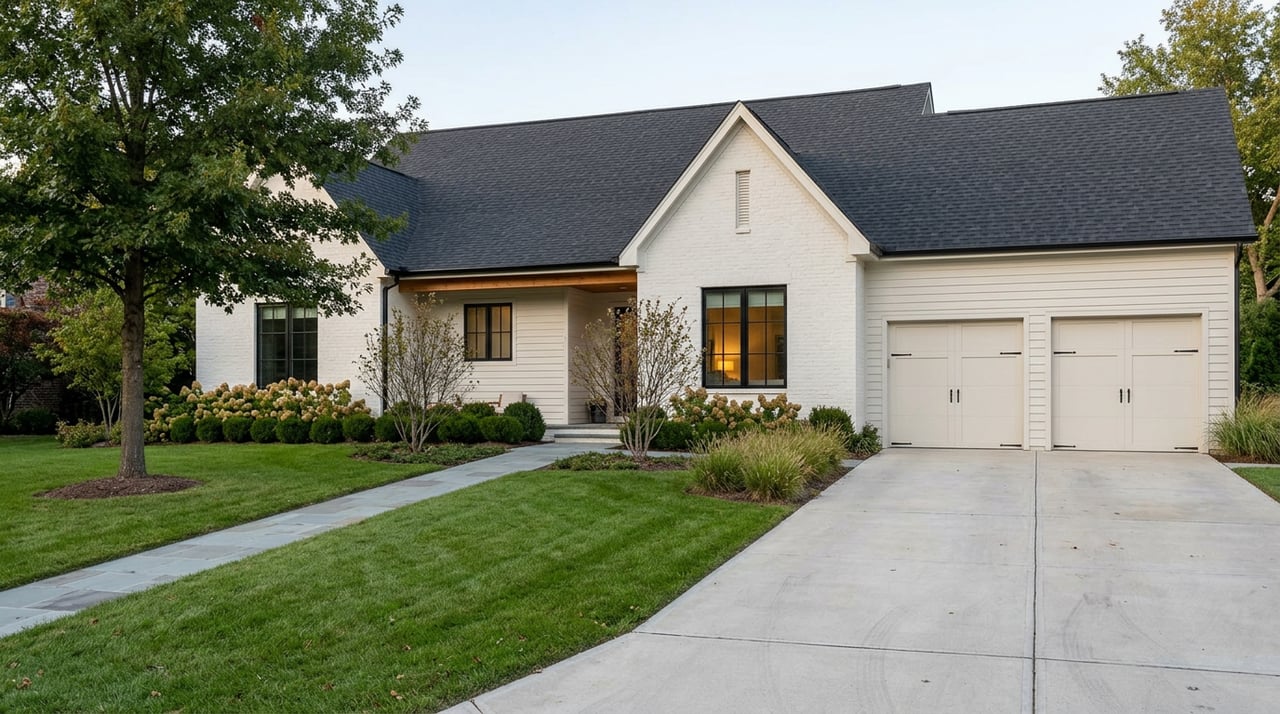
Translating the code to real life helps. A 150-foot circle implies a generous building envelope, and many neighborhoods contain parcels well above the minimums, often near or over one acre. The result is space to grow, privacy, and a supply of homes that is harder to replicate.
Scarcity and build potential
Larger lots support long-term value in two ways. First, they create optionality for the next owner, including additions, pools, or accessory structures, subject to setbacks and coverage limits. Second, zoning that restricts subdivision reduces near-term supply growth. That combination helps preserve resale strength over time. Before you buy, confirm the specific lot’s setbacks, coverage limits, and any overlays in the borough code.
Taxes in plain English
Average bill and county context
For 2024, the average residential property tax bill in Upper Saddle River is reported at $19,743. For context, the Bergen County average is about $13,600, while nearby reference towns show higher averages, such as Tenafly at about $23,837 and Ridgewood at about $20,375. You can see the full list in the state’s NJ Treasury average residential tax bill table for 2024. These figures are helpful for quick comparisons across towns, but remember they are averages, not guarantees for any single home.
Your tax estimate, step by step
Property taxes are based on assessed value multiplied by the combined local rate. Northern Highlands regional reporting shows a combined municipal, school, and county rate of about 2.590 per $100 of assessed value for 2025. You can reference the district’s financial reporting for rate context in the Northern Highlands ACFR materials.
A simple example helps. If a property’s assessed value is $1,000,000, a 2.59% combined rate suggests an annual tax near $25,900. The key is that the assessed value, not the purchase price, drives the bill. Ask the borough tax office for the property’s current assessed value and recent bills before you finalize your math.
What changes year to year
School and county levies are typically the largest part of a New Jersey tax bill. District reports show the school component as the dominant share, which is why school budgets and debt service have a big effect on taxes over time. The borough’s 2025 bulletin also noted a municipal tax rate projection of 0.469% for the municipal share and estimated this would add about $245 to the average-priced home for that year. You can see the note in the USR Borough Bulletin and view broader district finance context in the Northern Highlands ACFR. Always note the year you cite since rates and budgets update annually.
Prices and what to expect
Why numbers disagree
Different sources track different measures. Listing sites often report a live median sale price, which can jump around in a small market. Other platforms publish an index of estimated values. Official state tables can show annual average sale prices by municipality. For example, recent snapshots have shown a live median sale price near $1.895M dollars for Upper Saddle River in early 2026 on some listing sites, while an index of home values read closer to $1.36M dollars, and the state’s 2024 average residential sale price showed near $1.263M dollars. The take-away is simple. Check which metric you are reading and use multi-month windows for trends.
For long-run context and year-over-year comparisons, county or MLS reports are useful. For live pricing signals and lot specifics, use current listings, then ground your offer strategy in a 6-12 month set of local comps.
Practical price tiers today
Upper Saddle River covers a wide range, and counts per month are small, so think in tiers rather than a single number:
- Entry to lower tier, about $800,000 to $1.3M. Often older homes with modest updates and smaller footprints, yet still commonly on half-acre to one-acre parcels.
- Mid tier, about $1.3 to $2.5M. Updated 4 -6 bedroom homes are typical in this band, with many lots at one acre or more.
- Luxury tier, $2.5M and up. New construction or fully renovated estates on large parcels, including custom builds.
Single sales at the top end can move monthly medians a lot in a small borough, so always check a rolling 6 to 12 month median when deciding where to bid or how to price.
Inventory in a small market
Upper Saddle River often records only a handful of closings per month. That means months of inventory and days on market can look choppy. A single 3 to 4 million dollar closing can lift the median for a quarter. Use a longer lens for trend calls, then pair that view with property-by-property details like lot size, renovation level, utilities, and location on the street.
Modeling long-term value
Lot size, zoning, and resale plan
If you want to grow into a home, buy the lot first. Upper Saddle River’s zoning helps preserve larger parcels and limits density, which protects scarcity. Before you bid, confirm three items in the borough code: setbacks, maximum lot coverage, and any overlay district rules. If your long-term plan includes a pool, an addition, or a detached structure, bring your architect or contractor to the diligence stage so you understand what is feasible and what approvals you may need.
Ongoing costs beyond taxes
Taxes are one line item. Model mortgage principal and interest, insurance, and maintenance alongside taxes. Larger parcels and homes can increase landscaping, snow removal, and utility costs. Some homes may have private well or septic, which come with routine service needs. If you are making a move-up purchase, ask your lender and CPA to help you size the full monthly picture so you are not surprised.
Risk checks before you bid
Your long-term value depends on risk as much as price. Run a flood exposure check, especially for homes near waterways. Review the school district’s budget and levy trends to understand the tax outlook. Confirm whether the borough or district has any pending budget referenda or bond issues. For a specific property, request the last three years of tax bills, its current assessed value and reassessment history, and any open permits. The USR Borough Bulletin and the Northern Highlands ACFR are helpful starting points for context.
A simple worked example
Let’s say you are moving from a higher-tax town and buying in Upper Saddle River for about $1.6M. Your lender explains that the assessed value drives your tax bill, not the purchase price. You contact the borough and learn the property’s current assessed value is $1,350,000. Using the recent combined rate context of about 2.59%, your back-of-the-envelope estimate is $34,965 per year. If reassessment occurs or the assessed value differs, the figure will change. The safe move is to ask the borough tax office to confirm the current assessed value and most recent tax bill, then re-run the math.
Now compare that estimate to the annual tax bill on the home you are selling. If you currently pay $32,000, your move may increase taxes slightly, but the lot size, future addition potential, and lifestyle value may justify the difference. If you pay $38,000 today, your move could lower your tax burden while delivering more land. The only way to know is to use the exact assessed value and the most recent combined rate for the property you plan to buy.
What to verify
- Last 3 years of property tax bills for the home you are considering.
- Current assessed value and any reassessment history from the borough tax office.
- Recent municipal and school budget notes, including any proposed referenda or bonds. Start with the USR Borough Bulletin and the Northern Highlands ACFR.
- Zoning setbacks, lot coverage, and any overlay rules that could affect additions or accessory structures in the borough code.
Seller takeaways in this market
Pricing with clarity
In a small market, single high-end sales can skew a monthly median. Ground your strategy in a 6 to 12 month set of comparable sales and use county or MLS annual reporting for broader context. In Upper Saddle River, buyers respond to clear lot information, clean mechanicals, and move-in-ready spaces.
Showcase lot potential and approvals
If your parcel supports a pool, addition, or accessory structure under today’s rules, make that potential easy to see. Share recent surveys, prior approvals, or zoning opinions if available. Linking your home’s story to the borough’s zoning standards reduces uncertainty for buyers and supports stronger offers.
The bottom line
Upper Saddle River blends larger lots, low-density zoning, and a wide range of homes, which supports long-term scarcity and value. Taxes are higher than the county average but sit below some of the region’s top-bill towns. What you pay depends on the assessed value of the home you choose and the year’s combined rate. Use a longer lens for price trends, verify the assessed value and recent bills on any property you consider, and match your offer or list strategy to the lot’s unique strengths.
If you want a clear, data-backed path to buying or selling in Upper Saddle River, we are here to help. Connect with Max Stokes to talk strategy or request a free home valuation.
FAQs
How are Upper Saddle River property taxes calculated?
- Your annual bill is the property’s assessed value multiplied by the combined municipal, school, and county rate. Recent district reporting provides rate context in the Northern Highlands ACFR. Always confirm the current assessed value and latest rate with the borough tax office.
Are Upper Saddle River taxes lower than Ridgewood or Tenafly on average?
- In 2024, the average residential bill was about $19,743 in Upper Saddle River, compared with Ridgewood at about $20,375 and Tenafly at about $23,837, according to the NJ Treasury’s 2024 table. Your actual bill depends on the assessed value of the home you buy.
What lot sizes and zoning rules should I expect as a buyer?
- The borough’s residential districts include minimum geometry and lot area standards, such as a 150-foot inscribed circle in R-1 and 100-foot circle in R-2, plus coverage rules that change at 10,000 and 20,000 square feet. Many parcels exceed these minima. Review the borough zoning code and verify setbacks and coverage for any specific property.
Why do home price numbers differ across websites and reports for Upper Saddle River?
- Different sources use different metrics, such as median sale price, average sale price, or an index of estimated values. Small monthly sales counts can also make medians volatile.
How can I estimate my monthly cost on a move-up purchase in Upper Saddle River?
- Combine principal and interest, property taxes based on assessed value, insurance, and maintenance. For taxes, use the current assessed value and the latest combined rate, then add insurance and upkeep based on the home’s size and systems. Ask your lender and CPA to help you build a full monthly budget before you offer.