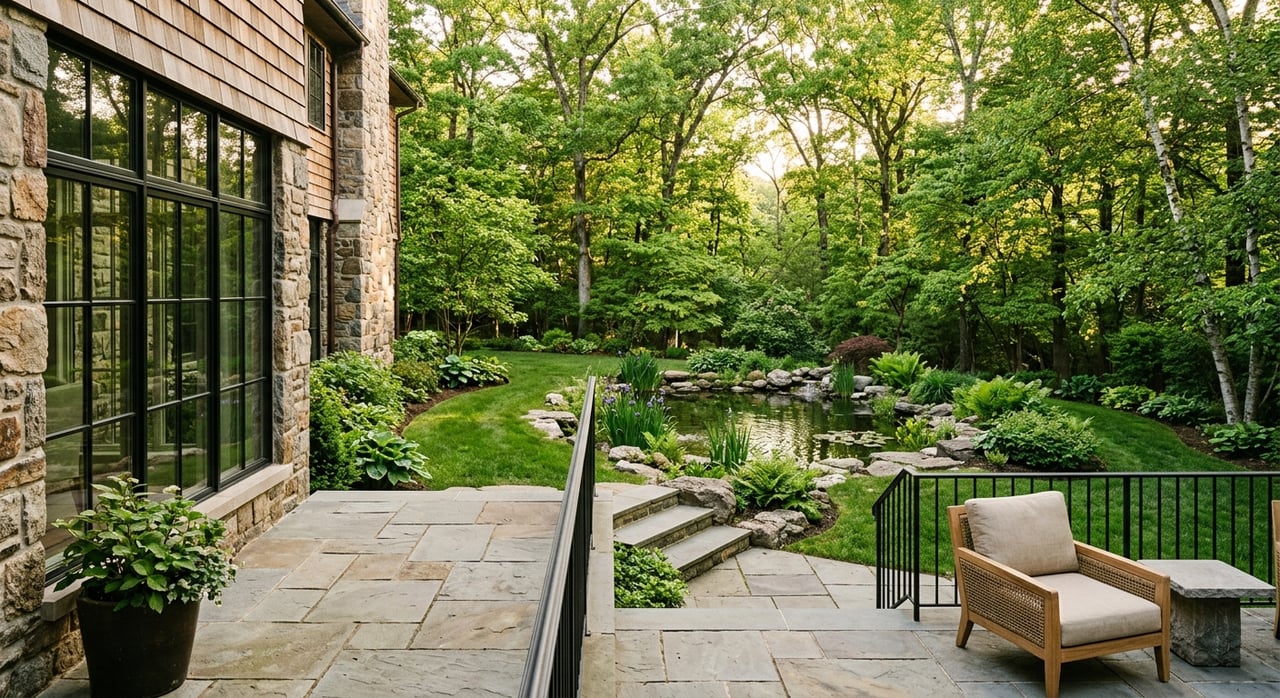
Looking for a Bergen County town that feels private, green, and a little removed from the rush, without giving up practical access to the rest of North Jersey and New York City? Franklin Lakes stands out for exactly that balance. If you are comparing towns, planning a move, or simply trying to understand what makes this market distinct, this guide will walk you through the lifestyle, setting, housing feel, and day-to-day convenience that shape life here. Let’s dive in.
Why Franklin Lakes Feels Different
Franklin Lakes offers a noticeably lower-density setting than much of Bergen County. Borough materials cite about 11,251 residents and a population density of 1,176.9 people per square mile, compared with 4,105.6 people per square mile countywide. That difference helps explain why the town often feels quieter, more spacious, and more wooded than many nearby communities.
The borough also has a strong owner-occupied housing base, with an 88.9% owner-occupied rate. Census figures cited by the borough show a median household income of $235,795 and a median owner-occupied home value of $1,264,000. In practical terms, Franklin Lakes sits in a higher-priced, more estate-like segment of the Bergen County market.
Its history helps explain the town’s character today. Borough history materials describe Franklin Lakes as evolving from a rural community into an affluent suburban town, with Route 208 and Interstate 287 helping connect it more directly to the wider region. That mix of preserved natural character and commuter access is a big part of the appeal.
Waterfront Living in Franklin Lakes
When people think about Franklin Lakes, water is often part of the picture. The borough’s best-known outdoor feature is the G. Thomas Donch Nature Preserve, a 120-acre passive recreation area centered around a 75-acre lake. It gives the town a waterfront identity that feels natural and quiet rather than crowded or commercial.
The preserve includes shoreline access, viewing platforms, walking and hiking opportunities, jogging, fishing, bird watching, picnicking, and a designated boat launch. Borough rules prohibit swimming and motors, which helps preserve the calm, passive-recreation feel of the area. If you picture a lake setting that is more about scenery and outdoor enjoyment than heavy activity, that is a good way to think about it.
There is also a layer of local history here. Borough materials note that the site was formerly a watershed and reservoir. That background adds to the sense that Franklin Lakes’ waterfront character is tied to preservation, open space, and long-term stewardship.
Wooded Surroundings and Outdoor Space
Franklin Lakes is not just about lakes. It is also about woods, trails, and a town-wide appreciation for open land and tree cover. The borough maintains trail maps for the Franklin Lakes Nature Preserve, the Old Mill Woodlands Trail System, and Parsons Pond Park, giving residents several ways to enjoy outdoor space close to home.
Parsons Pond Park covers 84 acres and includes open fields, a baseball and softball field, ponds, streams, and walking paths through wooded natural areas. Fishing is allowed with a state license, while swimming, boating, and motorized vehicles are prohibited. That keeps the space centered on low-key recreation and natural surroundings.
Old Mill Woodlands adds even more variety, including a dog park with separate areas for large and small dogs. The borough’s Tree City USA recognition and its stated tree-focused mission also reinforce something you can feel in person: Franklin Lakes places real value on maintaining canopy, greenery, and the visual character that comes with mature trees.
Housing Character and Residential Feel
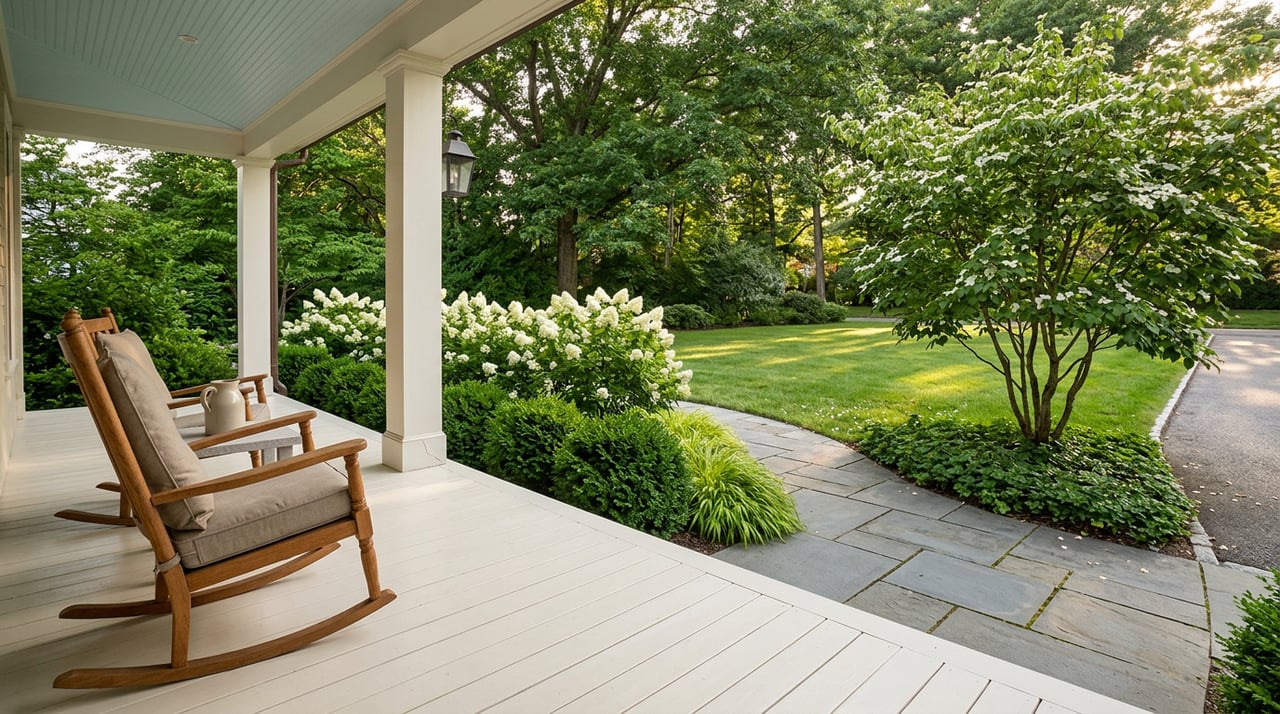
Franklin Lakes has a residential identity shaped by a long mix of farms, estates, and lake-oriented development. Borough history references early farmhouses near Franklin Lake, later estate houses and mansions, growth in areas such as Urban Farms, and the evolution of Shadow Lake Swim Club into Shadow Lakes Estates. Together, those details help paint a picture of a town with deep residential roots and varied housing history.
Historic-home materials add more texture, including references to preserved stone houses, four-acre lots, and homes designed to take advantage of lake views. While each property and section of town is different, the overall impression is one of privacy, space, and a more expansive residential pattern than you will find in denser Bergen County locations.
For buyers, that usually means you are not only comparing square footage or finishes. You are also weighing lot size, wooded screening, setting, and how a home connects to the natural landscape around it. In Franklin Lakes, those factors often play a major role in value and lifestyle.
What Daily Life Looks Like
Franklin Lakes is more residential than retail-driven, so daily life tends to revolve around home, outdoor space, and nearby conveniences rather than a large central downtown. That can be a major draw if you want a more tucked-away setting. At the same time, there are local dining options that support everyday living close to home.
The borough highlights Sushi Cocoro on Franklin Avenue as a local favorite for more than 16 years. Other in-town options include Pazza for Italian comfort food and Naru for sushi and hibachi with dine-in, take-out, and delivery. If you want a broader restaurant mix, nearby Ridgewood expands the choices.
That blend is part of Franklin Lakes’ personality. You get useful local amenities in town, while broader dining and shopping options remain accessible in surrounding Bergen County communities. For many buyers, that feels like a good trade for more privacy and open space at home.
Commuting and Regional Access
A common question about Franklin Lakes is whether a wooded, spacious town can still work for commuting. The answer is yes, though the commute setup here is more road, bus, and nearby-station based than centered on an in-town train stop. That is important to understand if you are comparing it with towns that have direct rail service in the downtown.
Borough transportation information lists weekday NJ Transit bus line 752, Coach USA service to Port Authority in Manhattan, and a commuter lot at Parsons Pond Park. Nearby rail service is available in Allendale, Fair Lawn, Hawthorne, Ho-Ho-Kus, Mahwah, Ramsey, Ridgewood, and Waldwick. That gives residents multiple ways to piece together a commute depending on work location and schedule.
Road access also matters here. Borough history specifically notes the role of Route 208 and Interstate 287 in Franklin Lakes’ growth and connectivity. Census figures place the mean travel time to work at 36.5 minutes, which aligns with a suburban commuter profile in this part of the region.
Who Franklin Lakes Often Appeals To
Franklin Lakes tends to appeal to buyers who want space, privacy, and a strong connection to nature without feeling cut off. If you are moving from a denser setting, the shift in pace can feel significant. The combination of wooded surroundings, larger residential lots, and lake-centered open space creates a different experience from many other Bergen County towns.
It can also appeal to current Bergen County homeowners looking to move up into a more private or estate-style environment. Because the housing stock and setting vary, buyers often benefit from looking closely at tradeoffs between location, lot character, access, and home style rather than treating the whole town as one uniform market.
For sellers, the lifestyle story matters. In a town like Franklin Lakes, marketing is not just about bedroom count and finishes. It is also about showing how a property fits into the town’s broader promise of wooded living, outdoor access, and refined suburban space.
Why Local Guidance Matters Here
Franklin Lakes is the kind of market where nuance matters. Two homes with similar size can present very differently based on lot privacy, natural features, views, road access, and how close they are to trails, parks, or commuting routes. Understanding those details can make a real difference when you are evaluating value.
That is especially true in a town where setting plays such a large role in buyer perception. If you are buying, you want a clear read on how lifestyle factors affect pricing. If you are selling, you want a strategy that positions your home within the specific qualities that make Franklin Lakes desirable.
A local, analytical approach helps you sort through those variables with more confidence. In a market defined by both lifestyle and investment, that balance matters.
If you are thinking about buying or selling in Franklin Lakes, working with a local expert who understands Bergen County nuance can make the process more informed and less stressful. For personalized guidance, reach out to Max Stokes.
FAQs
What is Franklin Lakes, NJ known for?
- Franklin Lakes is known for its wooded residential setting, lower-density feel, and outdoor amenities such as the G. Thomas Donch Nature Preserve and Parsons Pond Park.
Does Franklin Lakes, NJ have waterfront living?
- Yes. Franklin Lakes has a strong waterfront identity tied to its lake and reservoir history, especially around the 75-acre lake at the G. Thomas Donch Nature Preserve.
What is outdoor life like in Franklin Lakes, NJ?
- Outdoor life in Franklin Lakes includes walking trails, hiking, jogging, fishing, bird watching, picnicking, wooded parkland, and passive recreation in several borough-maintained natural areas.
Is Franklin Lakes, NJ a dense town?
- No. Borough-cited Census figures show Franklin Lakes has a population density of 1,176.9 people per square mile, which is much lower than Bergen County overall.
How do people commute from Franklin Lakes, NJ?
- Commuting from Franklin Lakes can include weekday bus service, Coach USA service to Manhattan, nearby rail stations in surrounding towns, and road access via Route 208 and Interstate 287.
What is the housing character in Franklin Lakes, NJ?
- Franklin Lakes has a residential character shaped by farms, estate homes, lake-oriented development, and larger-lot single-family properties with a more private, spacious feel.